 emmawhitaker
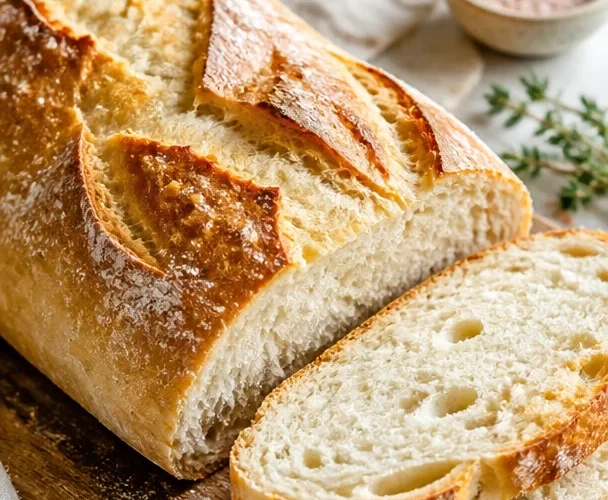
The Ultimate Guide to Making French Bread: A Love Letter to the Art of Baking
Hey there, my fellow food enthusiasts! If you’ve ever walked past a bakery and been captivated by the heavenly aroma of freshly baked bread, you’re not alone. There’s something magical about bread—especially French bread. It’s a staple that elevates every meal, transforms simple ingredients, and fills our homes with warmth and comfort.
In this post, we’re diving deep into the world of French bread—a beautiful creation that’s as rewarding to bake as it is to eat. I’ll share my personal story with this remarkable bread, guide you through the ingredients and steps, and throw in a sprinkle of variations to keep things exciting. So, roll up those sleeves, and let’s create some delicious memories together!
My Personal Story with French Bread
Baking French bread has always held a special place in my heart. I vividly remember the first time I decided to try my hand at it. I was in college, living in a cramped apartment with roommates who were less than enthusiastic about my culinary experiments. On a rainy Saturday afternoon, I decided to embrace the challenge of making my own loaf of French bread.
I dusted off my grandma’s old cookbook, slid my hair into a messy bun, and got to work. Flour flew everywhere, and my heart raced with every step. I mixed, kneaded, and shaped the dough while the sweet scent of yeast wafted through my tiny kitchen. The moment I pulled that golden crusty loaf out of the oven, I knew I had created something magical. The crunchy crust, the soft inside—every bite made me feel like I was sitting in a Parisian café.
That day marked the beginning of my love affair with baking bread, and now, I want to share that joy with you.
Ingredients
Here’s what you’ll need to make your own delightful French bread:
- All-Purpose Flour: The foundation of our dough. For a chewier texture, you can substitute half with bread flour, which has a higher protein content.
- Active Dry Yeast: This little magic agent makes your bread rise. If you’re using instant yeast, feel free to skip the proofing step!
- Warm Water: The perfect environment for our yeast to wake up! Aim for about 110°F (43°C). If it’s too hot, you may kill the yeast—too cool, and it won’t activate.
- Sugar: A tiny bit to help feed the yeast and provide just the right amount of sweetness. Honey works as a natural substitute if you prefer.
- Salt: Essential for flavor. Don’t skip it! If you’re lowering your sodium, you can reduce it but not eliminate it entirely.
- Olive Oil: Adds flavor and helps create a tender crumb. Unsalted butter can be used in its place for a richer taste.
Step-by-Step Instructions
-
Activate the Yeast: In a small bowl, combine the yeast, warm water, and sugar. Let it sit for about 5 minutes, or until it’s frothy. This means the yeast is alive and ready to work its magic!
-
Mix the Dry Ingredients: In a large mixing bowl, whisk together the flour and salt. This ensures the salt is evenly distributed.
-
Combine: Make a well in the center of the flour mixture and pour in the yeast mixture along with the olive oil. Start mixing with a wooden spoon or your hands until it begins to come together.
-
Knead: Transfer the dough to a floured surface, and knead it for about 8–10 minutes. You want a smooth, elastic dough. If it’s too sticky, sprinkle a little more flour, but be careful not to add too much!
-
First Rise: Place your dough in a greased bowl, cover it with a damp cloth, and let it rise in a warm spot for 1–2 hours, or until it has doubled in size. This is where the magic happens!
-
Shape the Loaf: Once doubled, gently punch down the dough to release the air. Turn it out onto a floured surface and shape it into a rectangular form, then roll it up tightly, pinching the seams closed.
-
Second Rise: Place the shaped dough seam-side down on a baking sheet lined with parchment. Cover it with a cloth and let it rise again for about 30–45 minutes.
-
Preheat and Score: Preheat your oven to 450°F (232°C). Just before baking, use a sharp knife or razor blade to make a few diagonal slashes on top of the dough—this allows it to expand properly in the oven.
-
Bake: Place the bread in the oven and bake for 25–30 minutes, or until the crust is golden brown. For a crunchy crust, throw a handful of ice cubes onto the bottom of the oven for added steam.
-
Cool: Remove your loaf from the oven and let it cool on a wire rack (if you can wait that long!).
Serving Suggestions
Ah, the moment of truth! Your beautiful loaf of French bread deserves to shine, so think about how you’ll present it. Here are some delightful serving ideas:
- Classic Pairing: Serve alongside a slather of good butter and a sprinkle of sea salt for the simplest yet most satisfying treat.
- Bread Basket: Slice the loaf into thick pieces and present it in a bread basket with woven napkins. This is the go-to option for family gatherings or dinner parties!
- With Dips: Pair your bread with a variety of dips, like hummus, olive tapenade, or a cheesy garlic spread. It’s perfect for entertaining!
- French Toast: The day after baking, slice leftover bread and turn it into scrumptious French toast for a delicious brunch.
Recipe Variations
The great thing about French bread is that it’s wonderfully versatile! Here are some creative twists you can try:
- Herbed French Bread: Add dried herbs like oregano or basil to the flour before mixing to infuse your bread with flavor.
- Garlic Bread: Mix minced garlic into the dough for a tasty garlic bread, or simply brush the baked loaf with garlic butter before serving.
- Whole Wheat Variation: Mix half of the all-purpose flour with whole wheat flour to create a nutty, healthier version.
- Olive Bread: Fold in chopped olives (green or black) into the dough for a Mediterranean twist.
- Sweet French Bread: Reduce the salt and increase sugar in the recipe; add chocolate chips or raisins for a dessert-style treat.
Chef’s Notes
As I’ve been perfecting my French bread recipe over the years, I’ve learned that the process requires patience and a little love. One time, I got distracted while my dough was rising—I was binge-watching my favorite show—and left it for well over two hours. What came out was a loaf so airy and fluffy; it was a happy accident that still makes me smile today.
FAQs and Troubleshooting
1. My bread didn’t rise. What happened?
- It may be that your yeast was old or the water was too hot or cold. Always check if the yeast is frothy before using!
2. Why is my crust too hard?
- If your oven temperature is too high or you bake too long, this can happen. Keep an eye on the bread while it bakes!
3. Can I freeze this bread?
- Absolutely! Slice it before freezing so you can take out just the amount you need.
4. My bread is too dense. What can I do?
- Make sure to knead it sufficiently and allow it to rise properly. If it’s too dense, it could also need more liquid.
Nutritional Info
Now, let’s talk numbers! A slice of homemade French bread (about 1 ounce or 28 grams) generally has approximately:
- Calories: 70
- Protein: 2g
- Carbohydrates: 14g
- Fat: 1g
- Fiber: 0.5g
Remember, nutritional values may vary based on the specific ingredients you choose and preparation methods.
Final Thoughts
And there you have it, my dear friends—a comprehensive guide to making French bread! I hope you’re inspired to roll up your sleeves, get flour on your apron, and create your loaf of this delightful staple. Bread-making is not just about following a recipe; it’s a journey filled with aromas, textures, and flavors that can bring people together.
So, whether you’re enjoying it fresh from the oven or crafting delicious toast the next morning, remember that every loaf is a chance to share love and warmth with those around you. Happy baking! 🌟
PrintHomemade French Bread
A delightful and fragrant homemade French bread that elevates every meal.
- Prep Time: 20 minutes
- Cook Time: 30 minutes
- Total Time: 1 hour 50 minutes
- Yield: 1 loaf 1x
- Category: Bread
- Method: Baking
- Cuisine: French
- Diet: Vegetarian
Ingredients
- 4 cups All-Purpose Flour
- 2 teaspoons Active Dry Yeast
- 1 ½ cups Warm Water (110°F / 43°C)
- 1 tablespoon Sugar
- 2 teaspoons Salt
- 2 tablespoons Olive Oil
Instructions
- Activate the yeast: In a small bowl, combine the yeast, warm water, and sugar. Let it sit for about 5 minutes, or until it’s frothy.
- Mix the dry ingredients: In a large mixing bowl, whisk together the flour and salt.
- Combine: Make a well in the center of the flour mixture and pour in the yeast mixture along with the olive oil. Start mixing until it begins to come together.
- Knead: Transfer the dough to a floured surface, and knead it for about 8–10 minutes.
- First rise: Place your dough in a greased bowl, cover it, and let it rise in a warm spot for 1–2 hours.
- Shape the loaf: Punch down the dough, turn it out onto a floured surface, and shape it into a rectangular form.
- Second rise: Place the dough seam-side down on a baking sheet lined with parchment and let it rise again for 30–45 minutes.
- Preheat and score: Preheat your oven to 450°F (232°C) and score the top of the dough.
- Bake: Place the bread in the oven and bake for 25–30 minutes.
- Cool: Remove your loaf from the oven and let it cool on a wire rack.
Notes
This bread can also be frozen. Slice before freezing for easy access.
Nutrition
- Serving Size: 1 slice
- Calories: 70
- Sugar: 1g
- Sodium: 150mg
- Fat: 1g
- Saturated Fat: 0g
- Unsaturated Fat: 1g
- Trans Fat: 0g
- Carbohydrates: 14g
- Fiber: 0g
- Protein: 2g
- Cholesterol: 0mg
Keywords: French bread, homemade bread, baking bread


